Greensboro lawns live through hot, damp summertimes, quick bursts of thunderstorm rain, and long stretches of clay soil that condenses like a parking lot. If your turf feels spongy underfoot in spring, goes crisp by August, and weakens in spots, the fix is seldom a single product. In this area, the mix that alters the trajectory of a yard is core aeration followed by wise overseeding and thoughtful aftercare. Done right, it sets you up for years, not months, of much better color, density, and resilience.
Why Piedmont yards compact so quickly
The Piedmont's red clay has a split character. When dry, it tightens up and sheds water. When saturated, it smears and seals. Add heavy foot traffic, kids and pets, backyard events, and mower wheels making the same turns, and you end up with surface area crusting and deep compaction. Roots, specifically those of cool-season fescue that most Greensboro property owners depend on, stall in the leading inch or more. Water puddles and runs. Fertilizer sits at the surface area and volatilizes or cleans into the street. Weeds like goosegrass and crabgrass benefit from every gap.
I have actually seen 2 surrounding lots, both sodded with high fescue the same year. One property owner ran a riding mower, bagged clippings, and watered briefly every evening. The other utilized a walk-behind, mulched clippings, and watered deeply when a week. The first lawn needed aeration two times a year just to breathe. The second required it yearly and often could avoid to an every-other-year schedule. The distinction wasn't magic. It was compaction management.
The case for core aeration
Aeration can indicate a few different things. In Greensboro, the gold requirement is core aeration with a device that pulls up small plugs of soil and thatch, typically 2 to 3 inches deep and about the diameter of your finger. Those cores break down and return raw material to the surface area, while the holes work as short-lived channels for air, water, and seed.
Spike aerators, the kind that merely poke holes or the strap-on shoes you see online, compress the sides of the hole as they enter. They might assist in sand, but in clay they often make the issue even worse. Slicing or verticutting has its place in zoysia or Bermuda remodelling, yet for cool-season fescue in our soil, pulling cores is the horse power you want.
What you can anticipate after a comprehensive core aeration on a compacted fescue lawn in Greensboro:
- An instant improvement in infiltration. The next rainfall or irrigation will soak in faster and deeper, which reduces overflow and puddling near pathways and driveways. Better oxygen exchange at the root zone. Roots that were stalled shallow can begin checking out down. That translates to much better summer season survival. Lower thatch gradually. Fescue doesn't thatch like warm-season lawns, but bad microbial activity in compressed clay can still develop a mat. The cores help feed those microbes and speed breakdown.
Timing in Greensboro: the practical windows
Calendar guidance that floats around online rarely accounts for postal code or soil. Here, timing comes down to grass type and average temperatures.
Tall fescue is the dominant cool-season turf for residential yards in Greensboro. It likes to germinate and establish when soil temperature levels vary from the upper 50s to mid 70s. That sets the prime window for aeration and overseeding from early September through mid October. In years when late summertime lingers hot, I've pushed seeding into the third week of October and still had fantastic take, but only with diligent watering and a stretch of moderate nights. If you seed after Halloween, depend on slower germination and more winter season kill.
A spring window exists, generally late March to mid April, however I treat it as a recovery plan, not the primary act. Spring seeding fights warming soil, rising weed pressure, and the early heat of June. If spring is your only shot, anticipate to baby those seedlings with consistent water and maybe shade cloth on the worst southwest exposures, and know you'll likely seed again in fall.
Warm-season yards like Bermuda and zoysia follow a different calendar. Aeration fits late Might to July when they are totally awake and actively growing. Overseeding warm-season grass with fescue for winter color looks quite in December, however it makes complex spring green-up and isn't something I advise for many property owners who desire less maintenance.
The seed that prospers here
I've evaluated bargain blends and premium cultivars side by side on Greensboro lots with the same preparation. Inexpensive seed often brings more weed seed, thinner coatings, and older varieties that can't deal with summer heat. If your spending plan enables, buy licensed tall fescue seed with named ranges bred for heat and illness tolerance. You'll see labels with NTEP trial performers like Falcon, Driver, or Titanium in rotating mixes. Blacksburg's work shows up on those tags for a reason.
Aim for seed that is less than a year old, with a germination rate above 85 percent and inert matter under 2 percent. Skip rye-heavy blends unless you have a specific short-term cover need. Seasonal rye jumps fast but can crowd fescue and stress out by July.
Broadcast rates depend upon your goal:
- Overseeding a thin however present fescue lawn: 3 to 5 pounds per 1,000 square feet. Renovating bare or greatly harmed areas: 6 to 8 pounds per 1,000.
Coated seed is great, particularly if it includes a moisture-retaining treatment, however remember the covering includes weight. A layered bag identified 50 pounds may deliver only 40 pounds of actual seed. Change the spreader accordingly.
Prepping the site the ideal way
Good seed-to-soil contact beats fancy fertilizers. I start with a tight cut, a notch lower than your usual setting. Bag clippings if you have actually got a mat of debris. Then water gently the day before aeration to soften clay without turning it to pudding. If your shoes sink or the machine leaves ruts, stop and wait a day.
Flag sprinkler heads and shallow cable lines. A lot of regional utilities sit deeper than the 3-inch cores, however low-voltage lighting wire and pet fence loops sit right in the risk zone. I found out the tough method twenty years back when a set of aeration tines dragged a covert course light wire throughout a cobblestone border like a cheese slicer.
Run the aerator in two instructions, perpendicular passes, to get a denser pattern of holes. Slow your pace on compacted lanes and high-traffic corners. You need to see 15 to 20 holes per square foot when you're done. More holes implies more channels for seed and roots.
Spread seed immediately after aeration. A broadcast spreader provides the most even coverage, but a portable unit works fine for area locations. I like to split the seed into 2 equivalent portions and apply in cross passes. Gently drag an area of chain-link fence, a landscape rake turned upside down, or a stiff push broom to knock seed into holes and scratch the surface. Topdressing with a thin layer of garden compost, no greater than a quarter inch, pays dividends in clay. It improves soil structure, feeds microbes, and cushions seedlings. Avoid peat moss in our environment. It can ward off water once it dries and blows around on breezy afternoons.
Finally, apply a starter fertilizer. Greensboro soils run acidic and typically test low in phosphorus, which seedlings usage for early root advancement. A common starter may read 18-24-12. If you have actually done a soil test in the last year, utilize those numbers to call in rates. Without a test, err on the light side, half to three-quarters of the labeled rate, to prevent salt stress.
Watering that matches our weather
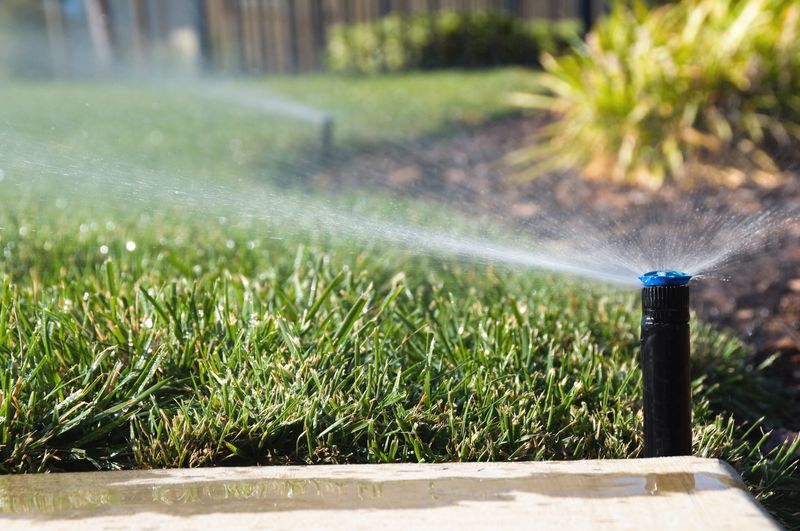
New seed needs consistent surface area moisture, not deep soaks. In September, our highs generally hover in the 70s to low 80s with humidity that helps. I keep the top quarter inch damp with brief, regular cycles for the first 10 to 14 days. Believe five to 10 minutes per zone, 2 to 3 times daily, adjusting for rain and shade. If a thunderstorm drops half an inch, avoid a cycle. If a dry front settles in with gusty afternoons, include a quick late-day sprinkle to avoid crusting.
Once you see a yard's worth of green fuzz, start weaning. Shift to once daily, then every other day, then a much deeper soak two times weekly. By week four, go for an inch of water each week from rain plus watering. New roots will chase after that moisture down and condition before the very first hard frost.
One caution that turns up every fall: do not let water sheet across slopes. Seed will raft downhill and gather in strips at the bottom. On pitches, water much shorter and more frequently for the very first week. Straw netting or jute on steeper problem areas can keep seed in location without suffocating it.
Mowing your way to density
First trim when seedlings hit 3 and a half to 4 inches. A sharp blade matters. A dull edge yanks tender plants from the soil. Set the mower high, around 3 and a half inches, and remove only the leading third of development. You'll likely cut clippings of mixed length, with mature blades and baby development together. That's fine. Mulch the clippings back into the turf unless they clump. Those pieces feed soil biology that clay frantically needs.
As the lawn thickens, hold that height. High fescue in Greensboro endures summer season much better when mowed high. In late spring, some property owners get lured to drop the height to chase after a tight, carpet look. Every summertime shows why that's a bad idea here. Longer blades shade the soil, decrease evaporation, and buffer heat stress.
Fertility and lime, but without guesswork
Fescue responds to fall feeding. The sweet spot is 2 light to moderate nitrogen applications in fall, spaced 4 to six weeks apart, followed by a late November or early December "winterizer" if temperature levels enable development. Typical rates are three quarters to one pound of real nitrogen per 1,000 square feet per application. Slow-release sources like polymer-coated urea or products with 30 to half slow-release nitrogen prevent flush-and-fade cycles.
Phosphorus and potassium need to follow a soil test, which the Guilford County Extension can process for a modest charge. Lots of Greensboro yards benefit from lime. Our rains seeps calcium, and clay bind nutrients in lower pH. If your test reveals pH under 6, intend on lime. Spread in fall or winter season and do not anticipate an over night change. Lime works slowly, at months-long timescales. Pelletized lime is much easier to spread than the finer ground products lots of farms use.
Weed control without nuking seedlings
Fall seeding and pre-emergent herbicides don't mix unless you utilize a product like siduron (Tupersan) that enables fescue to sprout. Most house owners are much better off skipping pre-emergents on freshly seeded areas, then tightening up cultural practices to crowd weeds out. You can use a pre-emergent in spring after the new fescue has been cut three to four times, but checked out labels carefully. Dithiopyr (Dimension) can be safe on established turf, yet timing and rates matter.
For broadleaf weeds that sneak in, wait until seedlings have been cut at least twice before using a selective herbicide. Cooler fall days enhance control on chickweed and henbit. If the weeds are separated, hand-pull. It's time well invested while the root systems are small.
Common risks I see in Greensboro yards
I'm called out every October to detect seeding failures. Patterns emerge.
Watering too much or too little is the greatest offender. You can spot overwatering by algae, fungus gnats, and soft footprints that stick around. Underwatering shows as patchy germination with dry, crusted soil between. When in doubt, feel the surface. It must be cool and slightly tacky, not soaked and not dusty.
Seeding into thatch is the second failure. If you can raise a mat with a rake like felt, your seed is perching on top of dead stems and roots. Either verticut or rake difficult before aeration, or plan a deeper remodelling later.
Rushing the calendar ranks 3rd. Greensboro has a vast array of microclimates. A shaded northwest backyard acts in a different way than a sunbaked corner lot near a cul-de-sac. If a heat wave shows up in mid September, wait. If it rains two inches in a day and your soil smears, provide it wind and heat to dry before running the aerator.

What aeration and overseeding cost locally
Prices vary with yard size and access. As a general variety, expert core aeration in Greensboro runs about 12 to 25 cents per square foot when bundled with overseeding and starter fertilizer, with the per-square-foot rate dropping on bigger properties. A typical 6,000 square foot front-and-back lawn may land in between 500 and 900 dollars for the full service, including 2 passes with the aerator and a quality seed blend. DIY with a rental device can cut that roughly in half, but element your time, shipment costs, and the finding out curve of managing a 250-pound unit on slopes.
If you employ, ask a couple of pointed concerns. What seed ranges are you applying, and at what rate? The number of passes with the aerator? Do you topdress or drag after seeding? How will you protect watering heads and shallow lines? Reliable providers in the landscaping area around Greensboro, NC will have specific answers, not simply brand names.
When a deeper restoration makes sense
Sometimes a yard is too far gone for overseeding to make a dent. If Bermuda has crept through a fescue lawn, if bare soil controls over half the backyard, or if grubs and drought have actually left nothing however dust, step back. A non-selective kill in late summer season, followed by scalping, removal, several aeration passes, topdressing, and heavy seeding might be the better path. It's more work, yet you will not be chasing after patches all fall. Renovations succeed when you dedicate to emerge prep as much as the seed itself.
I worked a Lindley Park yard that had actually been thin for years. We attempted overseeding twice with good take, but summer heat removed our gains. On the third go, the house owner accepted a complete restoration. We sprayed in August, scalped in early September, then ran three aeration passes and spread a screened compost layer before seeding at 8 pounds per thousand. By November, it looked like a fairway. 2 years later on, with high mowing and determined watering, that lawn still exceeds the neighboring properties.
Clay, compaction, and the function of compost
Every Greensboro backyard take advantage of organic matter. Clay particles are small and stack tight. Compost adds spongy humus that opens area for air and water. I have actually measured seepage rates jump from under half an inch per hour to two inches after repeated topdressings, which changes how a yard handles summer storms. Spread a quarter inch after aeration and again in spring if spending plan allows. Evaluated, fully grown compost that smells earthy and sifts equally is what you desire. Prevent raw manures or woody blends that bind nitrogen while they break down.
If compost isn't in the cards this year, mulch mowing is your daily ally. Fescue clippings are roughly 4 percent nitrogen and break down quickly. Returning them feeds the system in little, stable doses.
Pest and illness truths in our region
Greensboro's warm, wet spells invite brown spot in fescue, especially when night temperatures sit above 65 degrees. Fall seedlings are less vulnerable as soon as nights cool, however dense, overfertilized stands can still reveal halos. Area out nitrogen, water in the morning, and keep cutting high to increase air flow. If illness flares, fungicides can secure, but they aren't an alternative to cultural fixes.
Grubs show up sporadically, often after Japanese beetle flights. Before treating, do a yank test. If the grass peels up like a carpet and you can count more than 5 or 6 grubs per square foot, a control measure is justified. Preventatives go down in late spring to early summer season; curatives work later on however come with tighter application windows. If you plan to seed in fall, select products and timings that will not disrupt germination, and constantly read labels.
How aeration fits into a bigger plan
Aeration and seeding are linchpins, not the entire device. The healthiest Greensboro yards I keep share a rhythm:
- High mowing from March through November, rarely listed below three inches for fescue. Deep, infrequent irrigation as soon as established, targeting one inch each week other than in prolonged dry spell. The majority of systems require 45 to 60 minutes per zone to provide that, however capture cups or a tuna can test will tell you precisely. Fall-focused fertility, assisted by soil tests every two to three years, with lime used as needed. A spring pre-emergent on recognized grass to beat crabgrass, timed around the flower of dogwoods or when soil temperatures struck 55 degrees for several days. Annual or biennial core aeration, with garden compost topdressing when possible and overseeding in the fall window.
This isn't a stiff schedule. Rainy falls, dry springs, and tree growth that alters sun patterns all need modifies. The point is consistency. Small, well-timed actions do more than big rescue efforts.

DIY or hire a pro?
There's satisfaction in doing this yourself, and a lot of Greensboro homeowners prosper. If you're video game, reserve the aerator early, go for moist but not wet soil, and plan a full day with an assistant. The device will manhandle you on slopes and around beds. Take breaks. Wear cleats or boots with good tread.
If you prefer to employ, choose a company who looks beyond the one-day visit. Ask how they deal with shady locations differently than sunny strips. Ask how they set seed rates near driveways to avoid overspill. The excellent ones in landscaping around Greensboro, NC will talk about watering schedules, cutting height, and follow-up gos to as part of the package.
A fast, useful list you can use
- Book aeration and overseeding for early September to mid October; slide earlier if you have thick shade and cooler soil. Mow a notch low and clear particles; gently water the day in the past so clay yields however does not smear. Aerate in 2 directions, flagging irrigation heads; try to find 15 to 20 holes per square foot. Spread premium tall fescue seed at 3 to 5 pounds per 1,000 square feet, much heavier on bare spots; drag and topdress with a quarter inch of compost. Water lightly two times to 3 times daily for 10 to 14 days, then taper to much deeper, less regular cycles; first cut at 3 and a half inches.
A Greensboro example that sums up the method
https://www.ramirezlandl.com/A couple in Starmount Forest called late one August with a lawn that had slowly thinned under fully grown oaks. They 'd been reseeding every spring and seemed like they were throwing good cash after bad. The soil was compressed, pH was 5.5, and moss crept along the north side. We chose a fall plan.
We limed in early September ahead of rain, then aerated on the 20th when daytime highs settled into the upper 70s. We seeded at five pounds per thousand with a three-way fescue mix and dragged compost over everything. The irrigation controller ran nine minutes at dawn, six minutes at lunch, and five minutes at 4 p.m. for 12 days, then scaled back. They trimmed the first time at 3 and a half inches on day 21.
By Thanksgiving the lawn was thick enough that fallen leaves rested on leading instead of burying themselves. We avoided herbicides totally that fall, instead spot-pulling a few patches of henbit. In November, we fed three quarters of a pound of nitrogen per thousand. The following summer, in spite of a hot June, their yard kept its color where neighbors went tan. The difference wasn't luck. It was timing, seed quality, and attention to compaction.
Final thoughts for this environment and soil
Greensboro's yards don't stop working since house owners lack effort. They stop working when effort fights physics. Clay that compacts needs relief. Fescue that roots shallow needs a season to set itself before heat arrives. Aeration and overseeding in fall put both pieces in place. Add compost when you can, trim high, water with intention, and feed based upon genuine numbers.
If you're weighing where to invest this year, choice fewer, better actions. A thorough core aeration, quality tall fescue seed at the ideal rate, and two weeks of consistent moisture will give you more than any cart loaded with sprays and devices. And if you desire help, look for landscaping teams in Greensboro, NC who talk about soil as much as seed. That's typically the sign you have actually discovered a partner who understands how our ground actually behaves.
Business Name: Ramirez Landscaping & Lighting LLC
Address: Greensboro, NC
Phone: (336) 900-2727
Website: https://www.ramirezlandl.com/
Email: [email protected]
Hours:
Sunday: Closed
Monday: 8:00 AM–5:00 PM
Tuesday: 8:00 AM–5:00 PM
Wednesday: 8:00 AM–5:00 PM
Thursday: 8:00 AM–5:00 PM
Friday: 8:00 AM–5:00 PM
Saturday: 8:00 AM–5:00 PM
Google Maps: https://www.google.com/maps/search/?api=1&query=Google&query_place_id=ChIJ1weFau0bU4gRWAp8MF_OMCQ
Map Embed (iframe):
Social Profiles:
Facebook
Instagram
Major Listings:
Localo Profile
BBB
Angi
HomeAdvisor
BuildZoom
Ramirez Landscaping & Lighting is a Greensboro, North Carolina landscaping company providing design, installation, and ongoing property care for homes and businesses across the Triad.
Ramirez Landscaping & Lighting offers hardscapes like patios, walkways, retaining walls, and outdoor kitchens to create usable outdoor living space in Greensboro NC and nearby communities.
Ramirez Landscaping & Lighting provides irrigation services including sprinkler installation, repairs, and maintenance to support healthier landscapes and improved water efficiency.
Ramirez Landscaping & Lighting specializes in landscape lighting installation and design to improve curb appeal, safety, and nighttime visibility around your property.
Ramirez Landscaping & Lighting serves Greensboro, Oak Ridge, High Point, Brown Summit, Winston Salem, Stokesdale, Summerfield, Jamestown, and Burlington for landscaping projects of many sizes.
Ramirez Landscaping & Lighting can be reached at (336) 900-2727 for estimates and scheduling, and additional details are available via Google Maps.
Ramirez Landscaping & Lighting supports clients with seasonal services like yard cleanups, mulch, sod installation, lawn care, drainage solutions, and artificial turf to keep landscapes looking their best year-round.
Ramirez Landscaping & Lighting is based at 2700 Wildwood Dr, Greensboro, NC 27407-3648 and can be contacted at [email protected] for quotes and questions.
Popular Questions About Ramirez Landscaping & Lighting
What services does Ramirez Landscaping & Lighting provide in Greensboro?
Ramirez Landscaping & Lighting provides landscaping design, installation, and maintenance, plus hardscapes, irrigation services, and landscape lighting for residential and commercial properties in the Greensboro area.
Do you offer free estimates for landscaping projects?
Ramirez Landscaping & Lighting notes that free, no-obligation estimates are available, typically starting with an on-site visit to understand goals, measurements, and scope.
Which Triad areas do you serve besides Greensboro?
Ramirez Landscaping & Lighting serves Greensboro and surrounding Triad communities such as Oak Ridge, High Point, Brown Summit, Winston Salem, Stokesdale, Summerfield, Jamestown, and Burlington.
Can you help with drainage and grading problems in local clay soil?
Yes. Ramirez Landscaping & Lighting highlights solutions that may address common Greensboro-area issues like drainage, compacted soil, and erosion, often pairing grading with landscape and hardscape planning.
Do you install patios, walkways, retaining walls, and other hardscapes?
Ramirez Landscaping & Lighting offers hardscape services that commonly include patios, walkways, retaining walls, steps, and other outdoor living features based on the property’s layout and goals.
Do you handle irrigation installation and repairs?
Ramirez Landscaping & Lighting offers irrigation services that may include sprinkler or drip systems, repairs, and maintenance to help keep landscapes healthier and reduce waste.
What are your business hours?
Ramirez Landscaping & Lighting lists hours as Monday through Saturday from 8:00 AM to 5:00 PM, and closed on Sunday. For holiday or weather-related changes, it’s best to call first.
How do I contact Ramirez Landscaping & Lighting for a quote?
Call (336) 900-2727 or email [email protected]. Website: https://www.ramirezlandl.com/.
Social: Facebook and Instagram.
Ramirez Landscaping & Lighting is proud to serve the Greensboro, NC area and provides trusted landscape design services to enhance your property.
For landscaping in Greensboro, NC, visit Ramirez Landscaping & Lighting near Greensboro Science Center.